

+91 9904512277


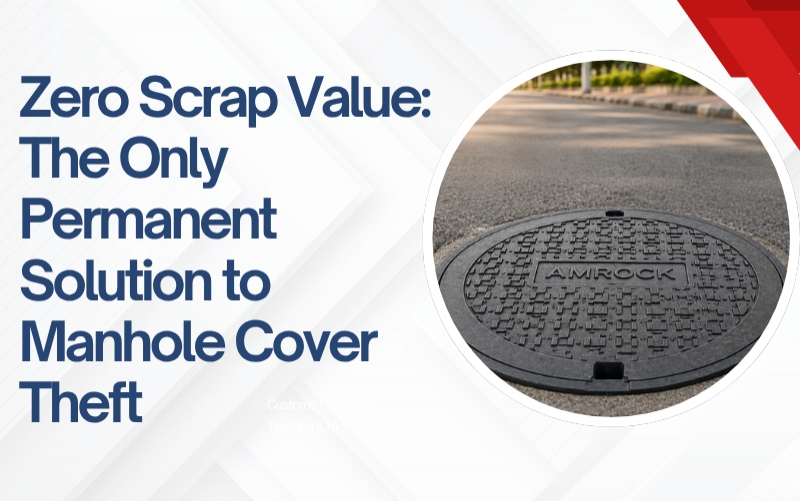
Municipal bodies lose crores each year replacing stolen cast iron manhole covers. The solution isn't better locks it's making the cover worthless as scrap metal.
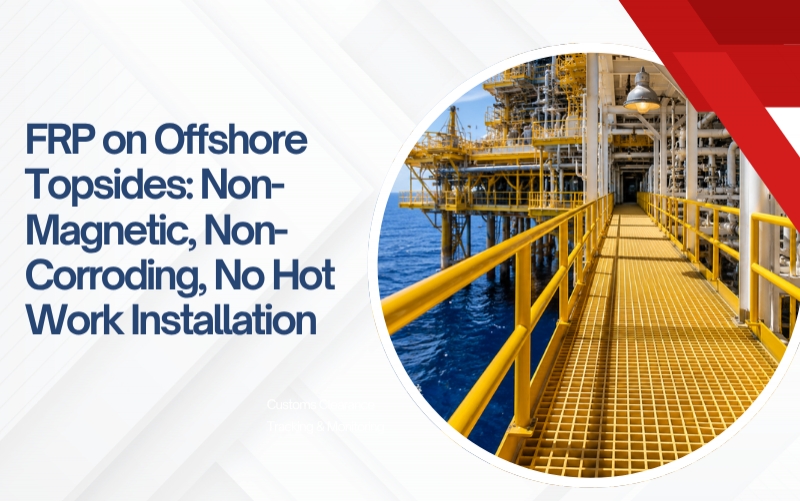
Offshore platforms impose a set of material constraints that steel simply cannot satisfy simultaneously non-magnetic, non-conductive, corrosion-proof, and installable without hot work permits.
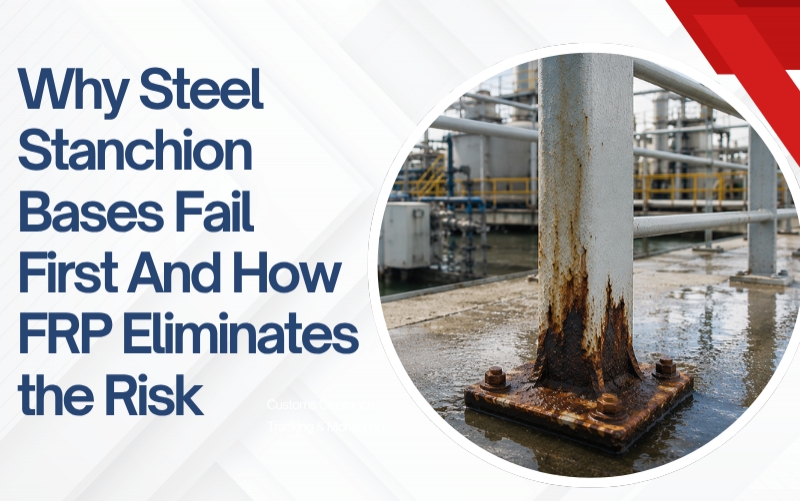
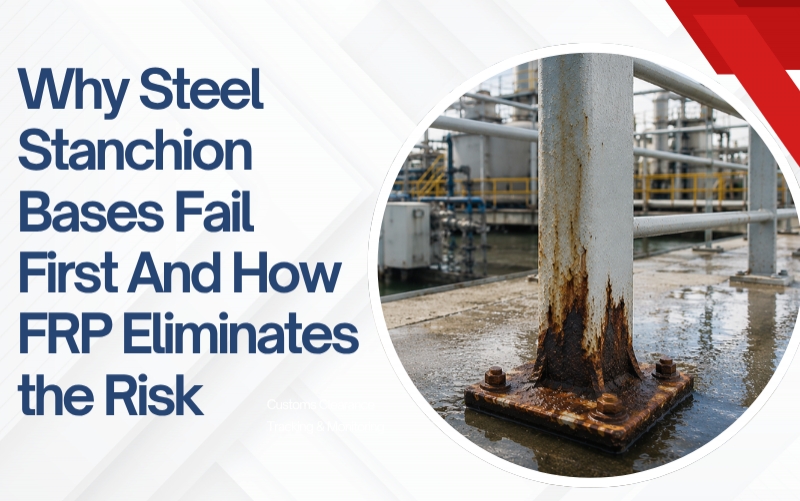
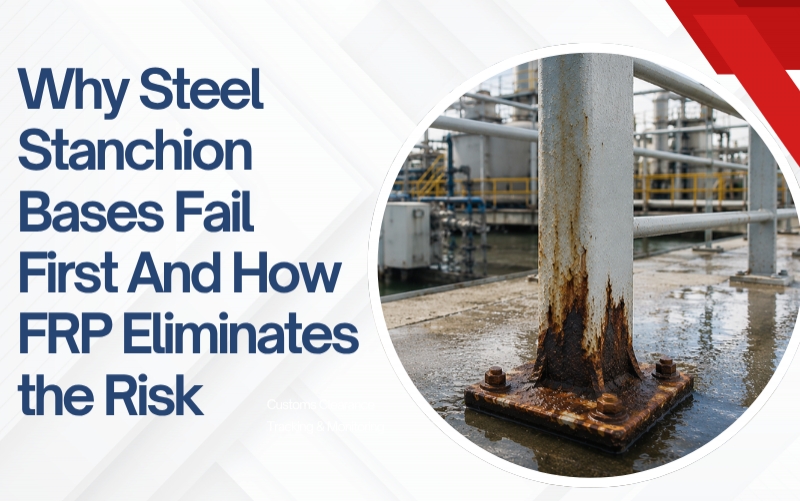
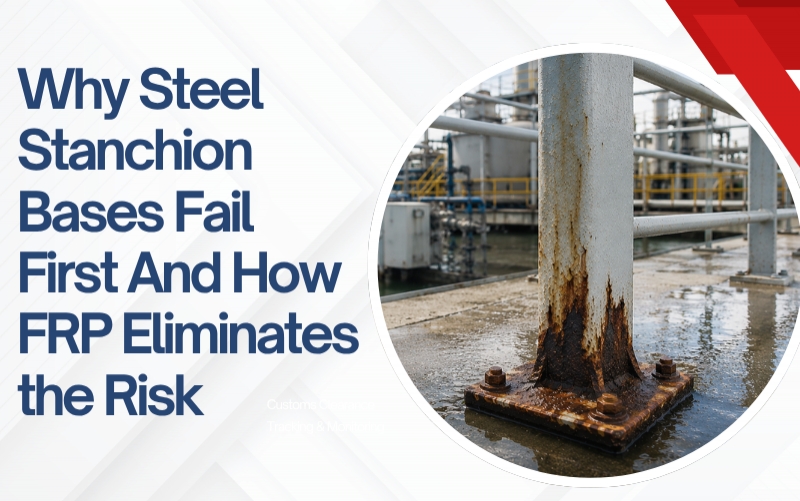
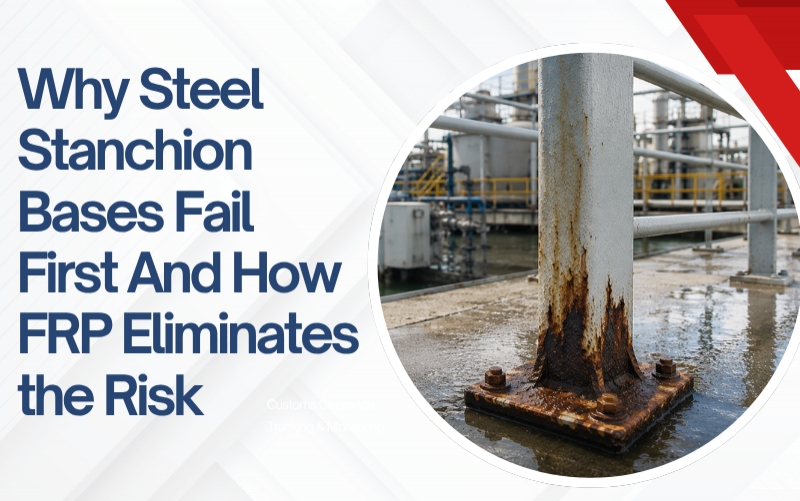
Corrosion in steel handrails doesn't happen uniformly. It concentrates at the base of stanchion posts, hidden behind cladding or paint, until the structural integrity is already compromised.
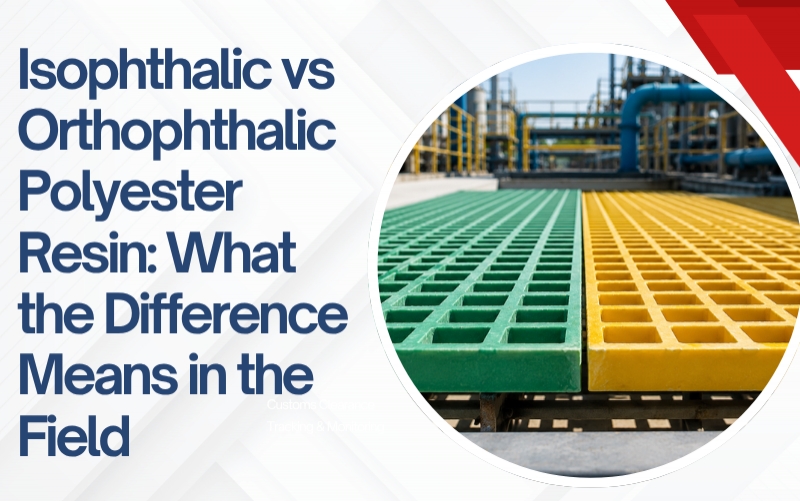
Resin type is the most under-specified variable in FRP procurement. The difference between orthophthalic and isophthalic resin determines corrosion resistance, blistering behaviour, and service life.
A practical checklist for procurement teams sourcing FRP manhole, drain, and trench covers, covering load class, frame compatibility, resin selection, and what to verify before placing an order.
A clear explainer on what EIL and NTPC vendor approval actually verifies for grating manufacturers, why it matters for large EPC-managed projects, and what questions buyers should ask before relying on an approval claim.
A beginner-friendly explainer covering what FRP stands for, how FRP grating is manufactured, and why industries choose it over steel, written for first-time buyers new to composite materials.
An application-focused look at why transformer and substation fencing is shifting from steel to FRP, covering conductivity, corrosion resistance, and where this applies beyond electrical infrastructure.